



In today’s digital world, RFID wallet help block these unauthorized scans, keeping your financial and personal information safe while you go about your daily life protecting your personal and financial information is more important than ever. Credit cards, IDs, and even passports now come equipped with RFID (Radio Frequency Identification) technology, which makes transactions faster but also exposes you to digital theft risks.
That’s where RFID wallets come in—stylish accessories designed to protect your information while keeping your essentials organized. This guide dives deep into everything you need to know about RFID wallets, including options for both sex, how they work, protection tips, travel advice, real-life examples, and step-by-step organization strategies.
Why RFID Protection Matters
RFID technology allows cards to communicate wirelessly with scanners for convenience during purchases or identification. While this makes transactions faster, it also opens the door for “skimming”—a process where thieves use scanners to steal your card information without physically touching your wallet. According to the Federal Trade Commission, identity theft is a growing concern, with millions of cases reported each year.
Beyond protection, they also provide practical organization features and stylish designs suitable for men, women, and anyone who wants secure, functional accessories.
How RFID Wallets Work
An RFID wallet contains a special material or lining that blocks electromagnetic fields emitted by RFID readers. This shielding prevents scanners from accessing the data stored on your cards or IDs. Essentially, the wallet acts as a Faraday cage, protecting your sensitive information from theft while still allowing you to access your cards manually.
Most RFID wallets are made with materials like aluminum, carbon fiber, or specially treated fabrics, making them lightweight, durable, and stylish. They often include compartments for cash, cards, IDs, coins, and sometimes even passports, making them versatile travel and daily-use accessories.
RFID Wallets for Both Sex
People can benefit from RFID wallets, but the design, size, and style often vary to meet practical and aesthetic preferences.
Men’s RFID Wallet
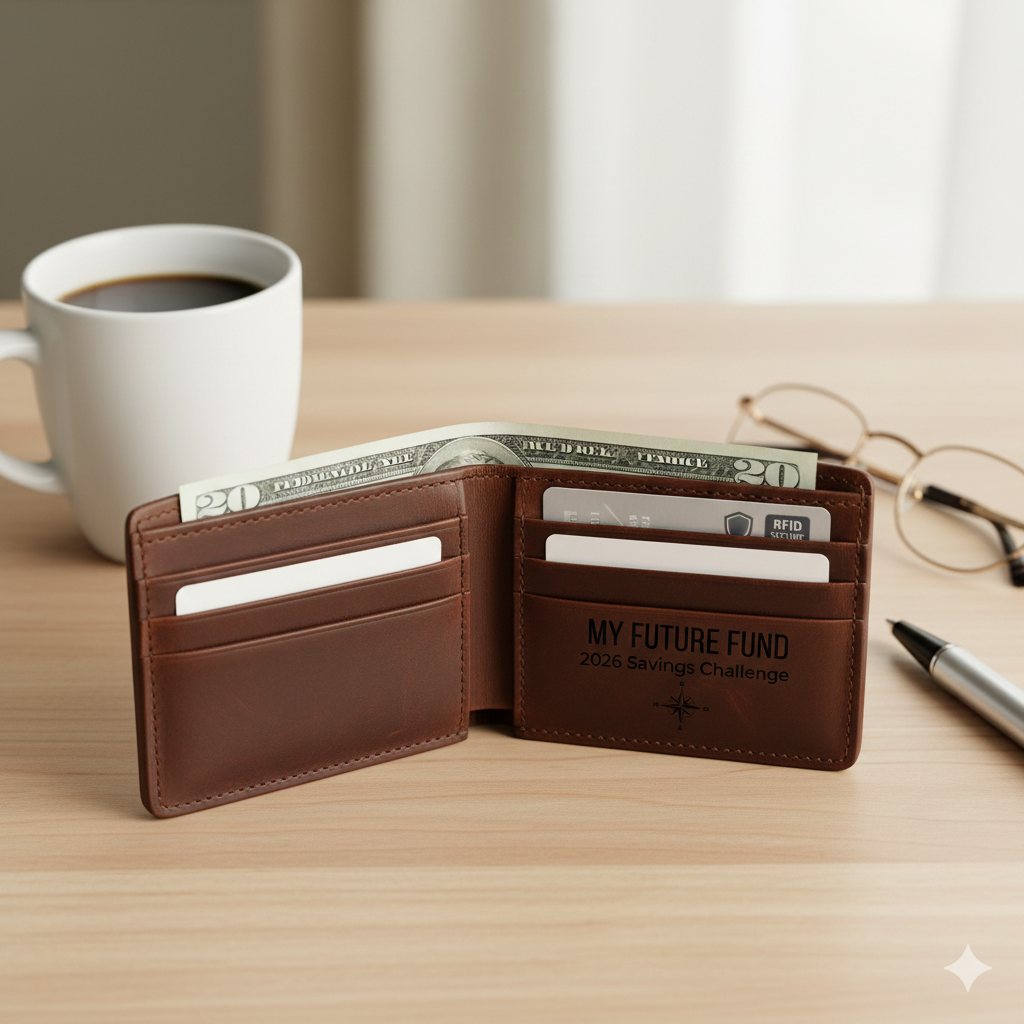
Men’s RFID Wallets typically feature slim designs, minimalist layouts, and durable materials such as leather or metal. These wallets prioritize functionality, compactness, and professional aesthetics. Many men’s RFID wallets include multiple card slots, a cash compartment, and sometimes a coin pocket. Popular choices focus on sleek, durable, and secure designs suitable for work, travel, and everyday use.
Women’s RFID Wallet
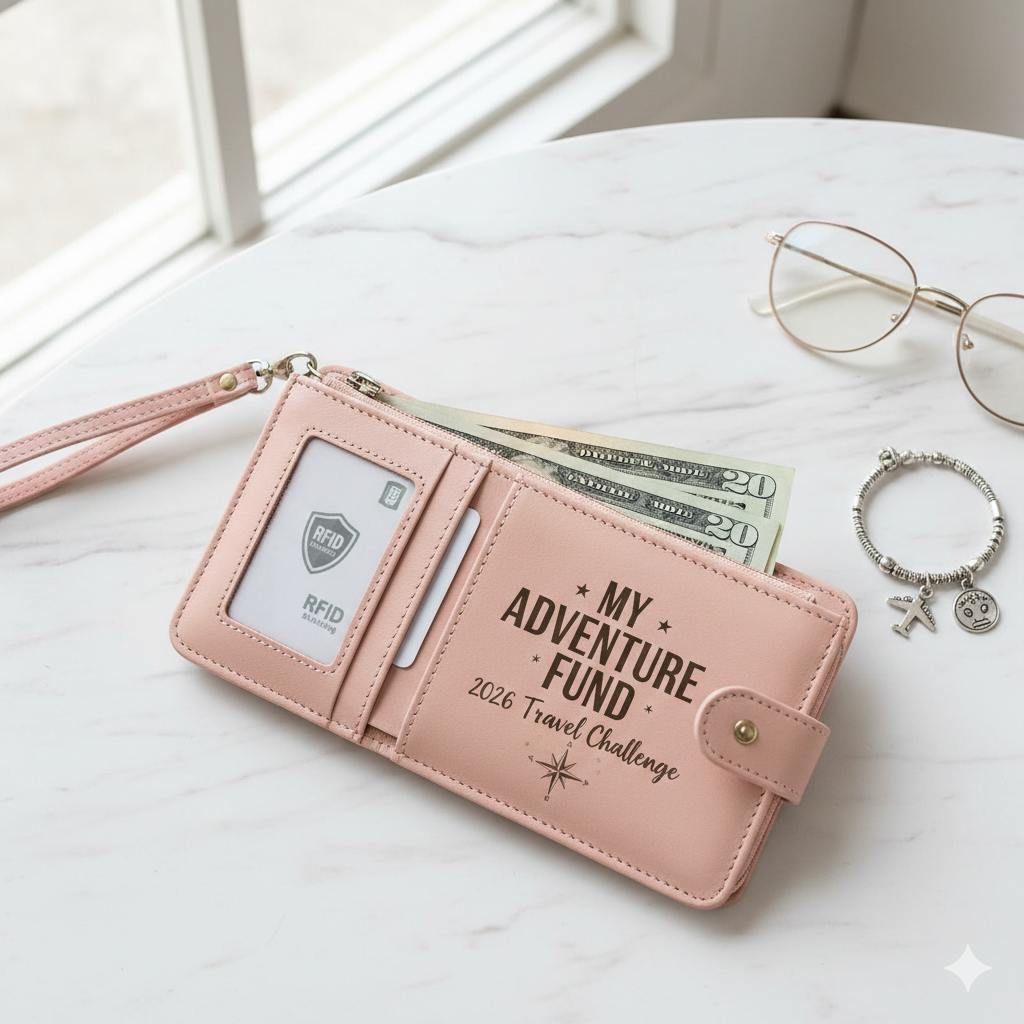
Women’s RFID Wallets often focus on style, color, and versatility. They come as clutch wallets, zip-around designs, or multi-compartment organizers that accommodate cards, cash, coins, and even smartphones. Many include wrist straps for convenience and elegance, making them practical for travel, shopping, or daily carry. Brands often offer vibrant colors, textures, and premium finishes that match personal style without compromising security.
Whether you are a man looking for a professional, minimalist wallet or a woman seeking both fashion and protection, there are RFID wallet options that suit every preference and lifestyle.
Real-Life Case Studies: How RFID Wallets Make a Difference
Case Study 1: John, the Business Traveler
John travels frequently for work and often uses his contactless credit cards at airports and hotels. Before using an RFID wallet, he once discovered unauthorized charges from a skimming incident while waiting in a busy terminal. After switching to a carbon fiber RFID wallet with multiple card slots, he no longer worries about electronic theft. He keeps business cards, cash, and travel receipts organized, which saves time during meetings and check-ins.
Case Study 2: Emily, the Urban Shopper
Emily lives in a busy city where subway lines and crowded streets increase the risk of electronic pickpocketing. She uses a stylish zip-around RFID wallet that matches her daily outfits. It holds her cards, IDs, cash, and metro card securely. Since using the wallet, she has noticed peace of mind while shopping and commuting, and she hasn’t experienced any fraudulent charges.
Case Study 3: Carlos, the Digital Nomad
Carlos travels internationally for work and leisure. He uses a travel-specific RFID wallet that accommodates a passport, boarding passes, credit cards, and foreign currency. The wallet’s lightweight design and multiple compartments make it easy to carry, while the RFID protection ensures his information is secure in airports, cafes, and hotels around the world.
These real-world examples show how RFID wallets are not only about security—they improve organization, convenience, and confidence in daily life and travel.
Step-by-Step Tips for Organizing Your RFID Wallet
A well-organized wallet maximizes convenience while keeping essentials secure. Here’s a practical method:
Step 1: Sort Your Cards
Separate frequently used cards from backup cards. Place your main debit or credit card in an easy-to-access slot.
Step 2: Prioritize IDs and Travel Documents
Store your driver’s license, work ID, or passport in a dedicated compartment to avoid bending or damage.
Step 3: Manage Cash and Coins
Fold bills neatly and use the designated cash compartment. If your wallet has a coin pocket, avoid overstuffing—it can damage the RFID lining over time.
Step 4: Use Separate Slots for Receipts
Avoid clutter by keeping receipts in a specific section or using a small envelope. This makes it easier to review spending and maintain organization.
Step 5: Limit What You Carry
Remove unnecessary cards or items to reduce bulk and prevent wear on the wallet’s RFID protection. A slim wallet not only looks better but also provides more security.
Step 6: Maintain Regular Checks
Inspect your wallet periodically to ensure the RFID lining is intact and that there is no wear or tear.
By following these steps, your RFID wallet becomes more than just a security accessory—it becomes a tool for organization and efficiency.
Travel Tips with RFID Wallets
Travel exposes your information to higher risk, but RFID wallets can make travel safer and more convenient:
- Separate Local Currency from Cards: Use one compartment for foreign cash and another for cards.
- Use Multiple Wallets for Travel: Keep one small RFID wallet for essentials and another for backup cards or receipts.
- Secure the Wallet on Your Person: Men can use slim wallets in a front pocket; women can use wristlet RFID wallets under clothing for discreet carry.
- Keep Important Documents Together: Passports, boarding passes, and travel insurance cards in one section of the wallet for easy access.
- Avoid Overpacking the Wallet: Extra bulk increases the risk of loss or theft.
By organizing travel items efficiently and pairing them with RFID protection, both can travel confidently while keeping their finances secure.
Top Features to Look for in RFID Wallets
When selecting a wallet, consider:
- Material and Durability: Leather, carbon fiber, metal, or treated fabric.
- Size and Capacity: Slim for minimalists, spacious for multiple cards or travel documents.
- Style: Minimalist, zip-around, clutch, bifold, or travel wallets.
- Additional Protection: Some wallets include GPS or tracking devices.
- Travel Features: Passport slots, ticket compartments, and foreign currency holders.
Popular RFID Wallets on the Market
- Travelambo Leather RFID Wallet (Men): Slim, multiple card slots, durable leather.
- Bellroy Leather RFID Wallet (Men & Women): Premium leather, minimalist design.
- Fossil RFID Zip Wallet (Women): Stylish zip-around design, multiple compartments.
- Tumi Alpha RFID Wallet (Travel-Friendly): Multiple compartments, durable design, suitable for international travel.
Frequently Asked Questions (FAQ)
Q: Does an RFID wallet completely prevent digital theft?
Yes, when used correctly. It blocks unauthorized scans, but combining it with digital monitoring provides full protection.
Q: Can RFID wallets damage my cards?
No, high-quality RFID wallets are designed to protect cards without affecting functionality.
Q: Are RFID wallets only for credit cards?
No, they also protect IDs, passports, transit cards, and any RFID-enabled item.
Q: How long does RFID protection last?
Quality wallets last years, but worn-out lining may reduce protection. Inspect periodically.
Q: Can women use men’s RFID wallets and vice versa?
Absolutely. Wallet choice is based on style, capacity, and personal preference, not gender.
Final Thoughts
RFID wallets are more than just a fashion accessory—they are essential tools for protecting your personal and financial information. Whether you are a frequent traveler, urban commuter, or just someone who values organization, an RFID wallet offers peace of mind and practical benefits. For both sex, there are options that combine style, convenience, and safety. By pairing a quality wallet with smart habits—such as limiting what you carry, organizing efficiently, and monitoring transactions—you can safeguard your information while enjoying the convenience of modern financial technology. Investing in an RFID wallet is a small step that can prevent major headaches in the future.