



A budget planners can change that by giving you control, clarity, and actionable steps to manage your money. Managing finances can feel overwhelming, especially if you’re just starting out. Between bills, groceries, subscriptions, and unexpected expenses, money often slips through your fingers without notice. The right planner helps beginners understand their spending, plan for savings, and build long-term financial habits.
For someone just starting, a budget planner isn’t just a notebook or spreadsheet. It’s a roadmap for financial health. With the right tools and strategies, you can reduce stress, avoid debt, and even make room for life’s small pleasures without guilt.
Why Beginners Need a Budget Planner
Beginners often struggle because they don’t see the full picture of their finances. A budget planner helps you:
- Track every expense so you know where your money goes
- Identify areas where spending can be reduced
- Allocate money toward savings and debt repayment
- Build healthy financial habits for the future
NerdWallet notes that tracking spending using a planner or digital tool increases the chances of sticking to a budget and achieving savings goals.
Without a structured system, even people with decent income can find themselves struggling to pay bills, falling behind on debt, or missing savings opportunities. A planner creates accountability and makes financial decision-making easier.
Types of Budget Planners for Beginners
Budget planners come in different formats, depending on your style and comfort level.
1. Physical Budget Planners
Physical planners are perfect for beginners who prefer writing things down. Writing expenses and income by hand makes the process tangible and helps you remember better. Popular options include:
- The Budget Planner Workbook – Offers monthly and weekly layouts for tracking income, bills, and goals.
- The Simple Budget Book – Minimalist design with monthly overviews, checklists, and space to track spending habits.
2. Printable Budget Templates
Printable planners give flexibility and are often free or low-cost. Websites like Vertex42 and Mint offer downloadable spreadsheets that let beginners organize finances without buying a physical book. Benefits include easy customization, reuse, and multiple copies for different months.
3. Digital Budget Planners and Apps
Apps are ideal for beginners who want automated tracking. They often sync with bank accounts and categorize transactions automatically. Top apps include:
- Mint – Free and beginner-friendly; tracks income, spending, and bills automatically.
- YNAB (You Need a Budget) – Encourages proactive budgeting by giving every dollar a job.
- EveryDollar – Drag-and-drop interface for monthly budgeting; great for beginners who want simplicity.
Digital planners are convenient, but beginners should still spend time reviewing their finances manually to understand patterns.
Key Features to Look for in a Beginner Budget Planner
To choose a planner that actually works, look for these features:
- Simple, clear layout – Avoid complicated tables or charts that can overwhelm you.
- Expense categories – Sections for essentials, discretionary spending, and savings goals make tracking easier.
- Goal setting – Space to outline both short-term (vacation, emergency fund) and long-term (retirement, investments) goals.
- Monthly and weekly tracking – Flexibility helps beginners track income and spending at different intervals.
- Affordability and accessibility – A beginner planner should be easy to obtain, whether digital, printable, or physical.
These features help reduce stress and make the budgeting process simple and actionable.
Step-by-Step Guide to Using a Budget Planner
Here’s how beginners can make the most of their planner:
Step 1: Record All Income
Include your salary, side hustles, freelance work, and any other sources. Knowing exactly what you earn is the first step toward a realistic budget.
Step 2: List All Expenses
Separate fixed expenses (rent, utilities, insurance) from variable expenses (food, entertainment, transport). Include small recurring costs, like subscriptions, to avoid surprises.
Step 3: Set Spending Limits
Determine how much money should go into each category. Use the 50/30/20 rule as a starting point: 50% for needs, 30% for wants, and 20% for savings or debt repayment.
Step 4: Track Every Expense
Record spending daily or weekly. Digital apps automate this, but physical planners require manual entry.
Step 5: Review Monthly
At the end of the month, compare your actual spending to your planned budget. Identify overspending and adjust for the next month.
Step 6: Set Savings Goals
Plan for short-term goals like vacations or gadgets, and long-term goals like emergency funds, home purchases, or retirement accounts.
Practical Tips for Beginners
- Start small – Don’t overcomplicate your first budget. Begin with key categories and expand gradually.
- Automate savings – Set up automatic transfers to your savings account each month.
- Keep it visible – Place your planner somewhere you’ll see it often, or keep your budgeting app on your home screen.
- Reward yourself – Set small milestones and celebrate when you meet them to stay motivated.
- Use multipurpose tools – For example, a planner that tracks bills, savings, and goals in one place saves time and confusion.
Budget Planners Free
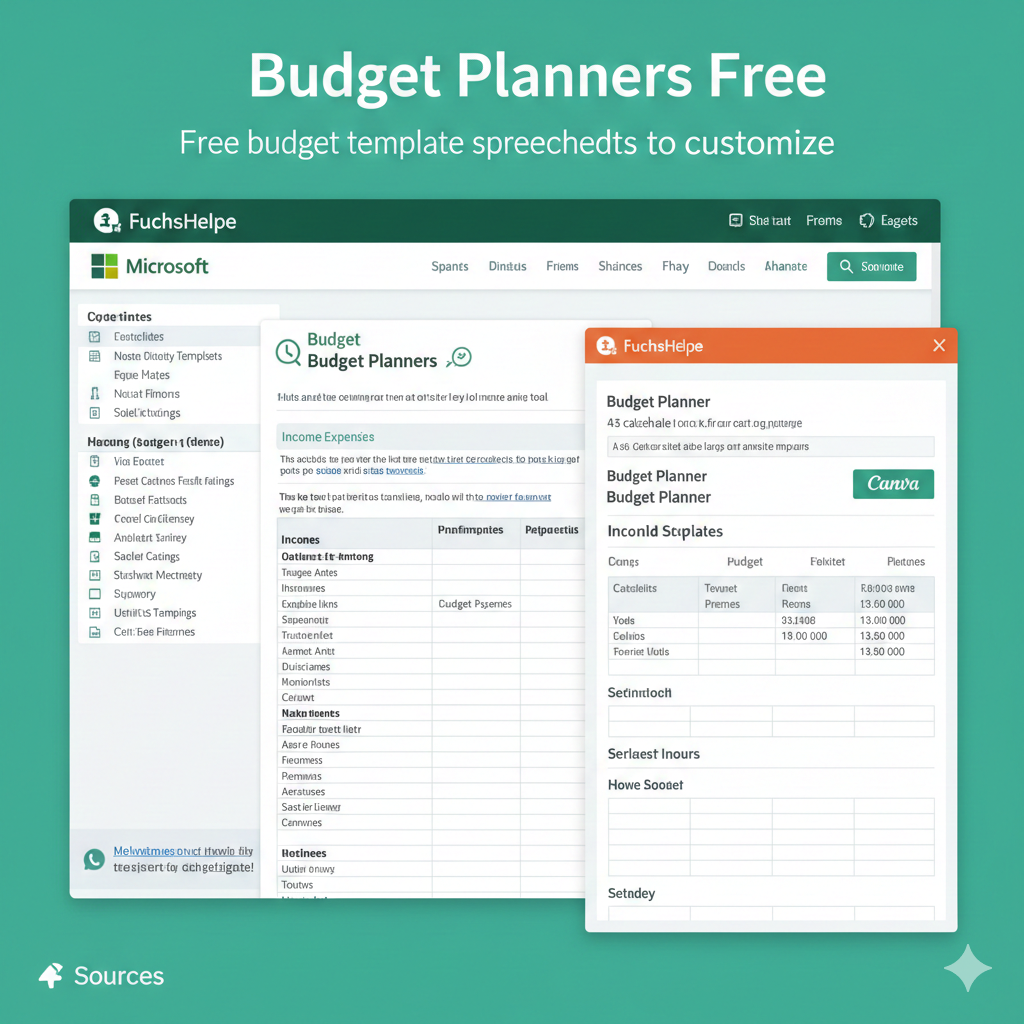
Starting a budget doesn’t have to cost a thing. Free budget planners are a simple and effective way for beginners to track income, expenses, and savings without spending extra money. From printable spreadsheets to digital apps, there are plenty of options to suit every style. Printable templates let you organize your finances on paper, while apps like Mint, EveryDollar, or Google Sheets automate tracking and provide insights into spending habits. Using free budget planners helps you build money-saving habits, avoid overspending, and reach your financial goals faster—all without breaking the bank.
Real-Life Examples of Beginners Using Budget Planners
Case Study 1: Sarah, a college student, used a free printable budget template to track groceries, tuition, and transport. After three months, she realized she was overspending on coffee and snack runs. By adjusting her budget and setting a weekly limit, she saved $100 per month.
Case Study 2: Mark, a young professional, used Mint to track his monthly expenses. He set automated savings transfers for his emergency fund and vacation. Within six months, he had $1,200 saved without feeling deprived.
Case Study 3: Jessica, a freelance writer, started with a physical planner and a digital spreadsheet. She recorded every client payment, monthly subscription, and household expense. This hybrid system helped her identify unproductive spending and allocate more money toward retirement savings.
These examples show that beginners can achieve real results with simple, consistent tracking.
Tips for Choosing the Best Planner for You
- Physical planners work well if you prefer writing by hand and seeing progress visually.
- Digital planners are perfect if you want automatic tracking and reminders.
- Printable planners are flexible, cost-effective, and easy to customize.
- Consider planners that include goal-setting sections and habit trackers for long-term growth.
FAQs for Beginners
1. Do I need a budget planner if I have a bank app?
Bank apps help track transactions but don’t guide you through goal setting or proactive budgeting. A planner provides structure.
2. How often should I update my budget?
Weekly updates are recommended for beginners to spot overspending. Monthly reviews help adjust long-term goals.
3. Can I save money while using a budget planner?
Yes. Tracking your spending reveals hidden leaks and encourages discipline, which naturally increases savings.
4. Are free planners effective?
Absolutely. Many free templates and apps provide the same functionality as paid planners. It’s more about consistency than cost.
5. What if I overspend in one category?
Adjust other categories to compensate or reduce spending in the next month. Budgeting is flexible, not rigid.
Helpful References and Resources
Final Thoughts
The right budget planner can transform a beginner’s approach to money. By tracking income, expenses, and savings, planners provide clarity and reduce financial stress. Whether you choose a physical workbook, a printable template, or a digital app, the key is consistent use. Small, smart habits—like tracking every expense and setting achievable goals—compound over time to create financial freedom.
Remember, budgeting is not about deprivation; it’s about control. With the best budget planner for your style, even beginners can gain insight, save money, and achieve goals faster. Start small, track consistently, and celebrate milestones. Over time, budgeting becomes second nature and opens doors to a more secure financial future.
Read Through Other Related Articles