
Best Way Credit Card Management: A Comprehensive Guide
The best way in credit card management is to understand the strategies needed. Are you struggling to manage your credit card debt? Do you want to learn the…
By Windetop · 1 Oct 2023 · 6 min read
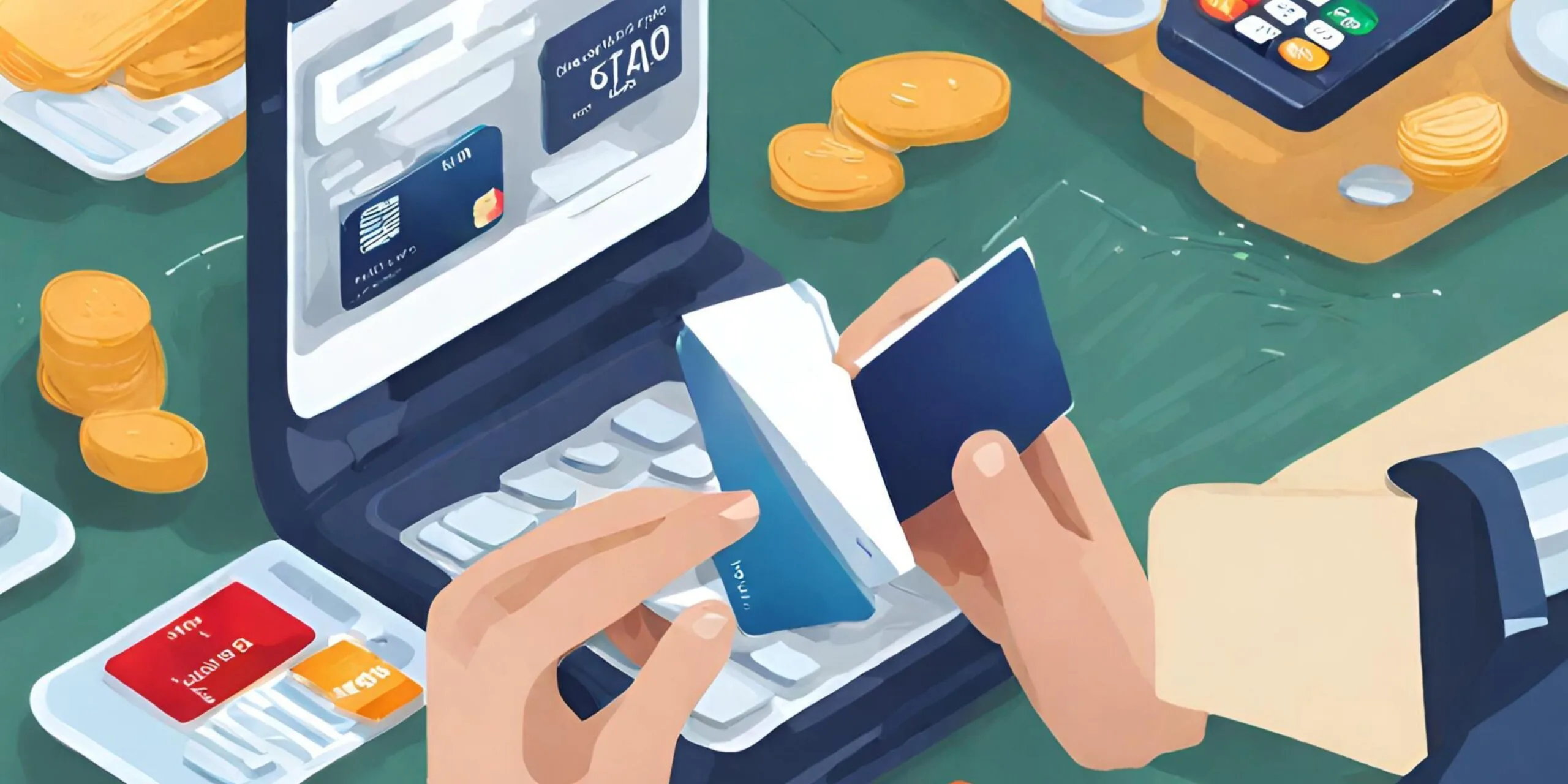
The best way in credit card management is to understand the strategies needed. Are you struggling to manage your credit card debt? Do you want to learn the best strategies to effectively handle your credit cards? Look no further! In this article, we will dive deep into the world of credit card management and provide you with valuable insights and practical tips to help you navigate your way to financial stability. As a recognized authority in Best Way Credit Card Management, I will share my hands-on experience and expertise to guide you on your journey.*
Introduction to Best Way Credit Card Management
Credit cards can be a powerful financial tool when used wisely, but they can also lead to overwhelming debt if not managed properly. Best Way Credit Card Management is all about finding the right balance between utilizing credit cards for convenience and rewards while avoiding the pitfalls of excessive debt and high interest rates.
The Power of Budgeting and Tracking Expenses
One of the fundamental pillars of effective credit card management is budgeting. Creating a budget allows you to track your income and expenses, giving you a clear picture of where your money is going. By understanding your spending habits, you can make informed decisions about how much to charge on your credit cards and ensure that you can pay off your balances in full each month.
To start budgeting, list all your sources of income and categorize your expenses. Identify areas where you can cut back and allocate a specific amount for each category. Use financial apps or websites to track your expenses and monitor your progress. These tools can provide valuable insights into your spending patterns and help you stay on track.
Tackling Credit Card Debt: Snowball vs. Avalanche Method
If you're already burdened with credit card debt, it's crucial to have a plan in place to pay it off. Two popular strategies for debt repayment are the snowball method and the avalanche method.
The snowball method involves paying off your smallest debt first while making minimum payments on the rest. Once the smallest debt is paid off, you move on to the next smallest debt, and so on. This method provides a psychological boost as you see progress quickly, which can motivate you to continue tackling your debts.
On the other hand, the avalanche method focuses on paying off debts with the highest interest rates first. By prioritizing high-interest debts, you save money on interest payments in the long run. This method may take longer to see tangible results, but it can potentially save you more money.
Choose the method that aligns with your financial goals and motivates you to stay committed. Remember, consistency is key in credit card management.
Utilizing Balance Transfers and Consolidation
If you have multiple credit cards with high-interest rates, consider utilizing balance transfers or consolidation to simplify your debt repayment process. Balance transfers involve moving your high-interest credit card debt to a new card with a lower or zero percent introductory APR. This allows you to save on interest payments and focus on paying off the principal balance.
Consolidation, on the other hand, involves taking out a personal loan to pay off all your credit card debts. This consolidates your debts into a single loan with a potentially lower interest rate, making it easier to manage and pay off.
Before opting for balance transfers or consolidation, carefully assess the terms and fees involved. Ensure that the new interest rate or loan terms are favorable and will ultimately benefit your financial situation.
Avoiding Temptations and Overspending
Credit cards can be tempting, especially when they offer enticing rewards and cashback programs. However, it's important to resist the urge to overspend and accumulate unnecessary debt.
To avoid temptations, set strict limits on your credit card usage. Only charge what you can afford to pay off in full each month. Remember, credit cards should be a convenient payment method, not a source of debt.
If you find it challenging to control your spending, consider leaving your credit cards at home and using cash or a debit card for your daily expenses. This can help you stay within your budget and prevent impulsive purchases.
Building a Strong Credit History
Proper credit card management can also contribute to building a strong credit history, which is essential for future financial endeavors, such as obtaining loans or mortgages. Here are a few tips to help you build and maintain a positive credit history:
- Pay your credit card bills on time: Late payments can negatively impact your credit score, so make it a priority to pay your bills by the due date.
- Keep your credit utilization low: Aim to keep your credit utilization ratio below 30% by not maxing out your credit cards.
- Regularly review your credit report: Check your credit report for any errors or discrepancies that could affect your credit score. Report any inaccuracies and ensure they are corrected promptly.
- Maintain a mix of credit: Having a healthy mix of credit, such as credit cards, loans, and mortgages, can demonstrate your ability to handle different types of debt responsibly.
Seeking Professional Help and Resources In Understanding The Best Way Credit Card Management
If you feel overwhelmed or unable to manage your credit card debt on your own, don't hesitate to seek professional help. Credit counseling agencies can provide guidance and assistance in creating a personalized debt management plan. They can negotiate with creditors on your behalf and help you develop a strategy to pay off your debts effectively.
Additionally, there are numerous financial apps, websites, and tools available to assist you in managing your credit card debt. These resources can help you track your expenses, create budgets, and monitor your progress towards debt repayment.
Conclusion
Managing credit card debt requires discipline, planning, and a solid understanding of personal finance. By implementing the best practices of credit card management, such as budgeting, debt repayment strategies, and responsible credit usage, you can take control of your financial situation and work towards a debt-free future.
Remember, credit cards are a tool, and it's up to you to use them wisely. Start implementing these strategies today and take the first step towards a brighter financial future.
What strategies have you found most effective in managing your credit card debt? Share your experiences in the comments below and let's learn from each other!
Read Other Related Articles
Enjoyed this?
Get the next one in your inbox, or take the next step on your career.
Book a discovery call