



Cash envelope budgeting has been around for decades, yet it continues to help people regain control over their money in a way that feels practical and realistic. In a world dominated by digital payments, subscriptions, and one-click purchases, many people are surprised to discover that using physical cash can completely change how they spend. Cash envelope budgeting is not about going backward or rejecting technology. It is about understanding human behavior and using simple systems that actually work in real life.
This budgeting method is especially helpful for people who feel like money slips through their fingers, even when they earn enough. If you have ever checked your bank balance and wondered how it got so low, cash envelope budgeting may be exactly what you need. In this article, we will explore what really works with cash envelope budgeting, how to use it effectively today, common mistakes to avoid, tools and resources, FAQs, and practical tips you can apply immediately.
Cash envelope budgeting works because it makes money visible. When you can see and physically handle your cash, your spending decisions become more thoughtful. Instead of guessing where your money went, you know exactly where it is going and why.
What Is Cash Envelope Budgeting?
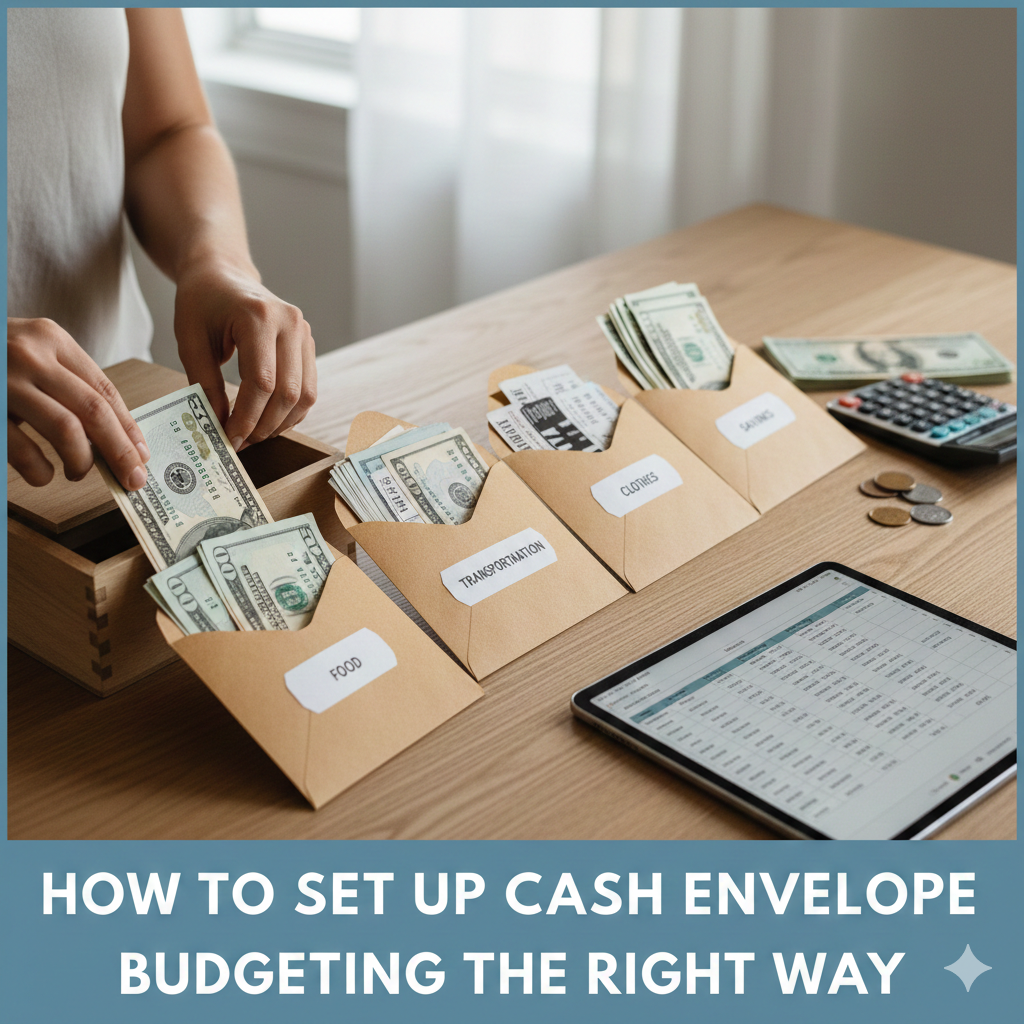
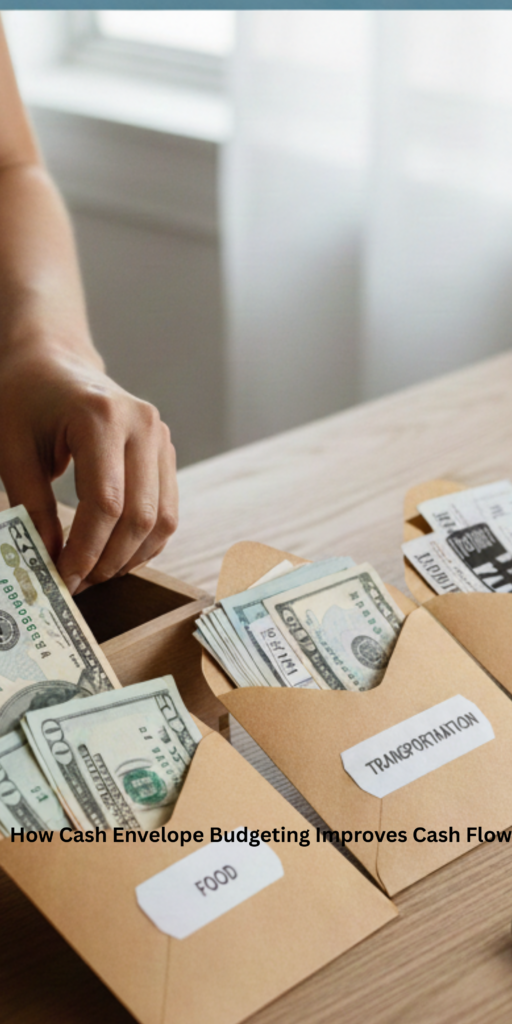
Cash envelope budgeting is a method where you divide your spending money into categories and place the cash for each category into labeled envelopes. Each envelope represents a specific expense category such as groceries, transportation, eating out, or personal spending. Once the money in an envelope is used up, you stop spending in that category until the next budget period.
The system is built on a simple rule: you can only spend what is inside the envelope. This natural limit prevents overspending and removes the temptation to rely on credit cards or future income.
The concept is simple: Take a few envelopes, write a specific expense category on each one — like groceries, rent or student loans — and then put the money you plan to spend on those things into the envelopes. When an envelope runs out of cash, that’s your signal to pause spending in that category until you add more money.
Traditionally, people have followed the envelope system on a monthly basis, using cash and envelopes. More recently, people have adopted digital methods, including spreadsheets and apps
Why Cash Envelope Budgeting Actually Works
Cash envelope budgeting works because it aligns with how people naturally make decisions. Swiping a card feels painless, but handing over cash creates awareness. Behavioral finance research often refers to this as the “pain of paying.” When spending feels real, people spend less.
Another reason this method works is clarity. You never have to wonder if you can afford something. If the envelope has money, you can buy it. If it does not, you wait. This removes emotional decision-making and replaces it with simple rules.
Cash envelope budgeting also reduces stress. You are no longer afraid of checking your account balance because you already know your limits. This sense of control builds confidence and consistency.
Who Benefits Most from Cash Envelope Budgeting
This system is especially effective for people who struggle with impulse spending, have difficulty sticking to digital budgets, want to get out of debt, or are new to managing money. Families, students, freelancers, and even small business owners often use envelope budgeting to control variable expenses.
It is also useful for people with irregular income. When income fluctuates, controlling spending becomes even more important. Cash envelopes help you base spending on what you actually have, not what you hope to earn later.
What Cash Envelope Budgeting Is Not
Cash envelope budgeting is not about denying yourself everything you enjoy. It is not about living an extreme or restrictive lifestyle. It is also not about using cash for every single expense. Fixed bills like rent, utilities, insurance, and subscriptions are usually better handled digitally.
What actually works is using cash envelopes for categories where overspending is common. Groceries, eating out, entertainment, and shopping are usually the best places to start.
How to Set Up Cash Envelope Budgeting the Right Way
Start by calculating your total monthly income. This includes salary, side income, allowances, or any reliable source of money. Be honest and use conservative estimates if your income varies.
Next, list all your expenses and separate them into fixed and variable categories. Fixed expenses are bills that stay the same, such as rent or internet. Variable expenses are flexible and change month to month, such as food or transportation.
Decide which variable categories will use envelopes. Begin with just a few categories so you do not feel overwhelmed. Assign realistic amounts to each envelope based on past spending. Withdraw the total cash and place it into labeled envelopes.
Throughout the month, only spend from the correct envelope. If the envelope is empty, spending in that category stops. At the end of the month, review your results and adjust the amounts if needed.
Common Envelope Categories That Actually Work
Most people succeed when they keep categories simple. Common envelope categories include groceries, transportation, eating out, personal care, entertainment, and miscellaneous spending. Some people also create sinking fund envelopes for irregular expenses like birthdays, holidays, school fees, or repairs.
The key is customization. Your envelopes should reflect your real life, not a perfect budget that looks good on paper but fails in practice.
What Actually Works in a Digital World
You do not have to reject technology to use cash envelope budgeting. Many people use a hybrid approach. Fixed bills and savings remain digital, while discretionary spending is handled with cash.
Some people use cash binders with zip compartments instead of envelopes. Others use envelope-style budgeting apps that simulate the same system digitally. Apps like Goodbudget follow the envelope method without requiring physical cash.
What matters is not the format but the behavior. The system works when spending is limited intentionally and tracked consistently.
Mistakes That Make Cash Envelope Budgeting Fail
One common mistake is setting unrealistic amounts. If your grocery budget is too low, you will feel frustrated and quit. It is better to adjust than to give up.
Another mistake is using envelopes for every expense. This makes the system complicated and exhausting. Focus on the categories that need control the most.
Skipping reviews is another issue. Budgeting works when you check in regularly. Weekly reviews help you stay aware without becoming obsessed.
Real-Life Tips That Make Envelope Budgeting Easier
Start small and improve gradually. You do not need to be perfect in the first month. Treat mistakes as feedback, not failure.
Use a weekly check-in instead of daily tracking. This saves time and reduces burnout. If you run out of money in an envelope early, look at why it happened and adjust next month.
Keep envelopes in a safe place and only carry what you need. This reduces the risk of loss and unnecessary spending.
How Cash Envelope Budgeting Improves Cash Flow
Cash envelope budgeting naturally improves cash flow because it forces you to live within your current income. You stop relying on future money and start managing what you have today. Over time, this creates positive cash flow, making it easier to save, invest, and plan ahead. Please read on to learn more about cash flow budget in one of our pages.
By controlling variable spending, you free up money for emergency funds, debt repayment, and long-term goals. This is why many people see noticeable financial improvement within a few months of using the system.
Tools and Free Resources to Get Started
You can find printable cash envelope templates and budget planners on Canva. Investopedia offers clear explanations of budgeting and cash flow basics at investopedia.com. Money Under 30 provides beginner-friendly personal finance guides at moneyunder30.com.
For digital envelope budgeting, Goodbudget offers a free version that follows the same principles. Families and small business owners can also find useful financial education resources on the U.S. Small Business Administration website at sba.gov.
Frequently Asked Questions About Cash Envelope Budgeting
Is cash envelope budgeting outdated?
No. While it is an older method, it remains effective because it is based on human behavior. Many modern budgeting apps are built on the same principles.
Do I need to use cash for everything?
No. Most people use envelopes only for variable spending and keep fixed bills and savings digital.
What if I lose an envelope?
Carry only what you need and keep the rest safely at home. Some people use binders or digital backups to reduce this risk.
Can this work with irregular income?
Yes. Base your envelopes on your lowest expected income and add more during higher-income months.
Is envelope budgeting good for paying off debt?
Yes. By controlling spending, you free up extra money that can be directed toward debt repayment.
Final Thoughts
Cash envelope budgeting works because it is simple, visual, and honest. It does not rely on motivation or complex tools. It relies on clear limits and intentional choices. Whether you are new to budgeting or rebuilding your financial habits, this method can help you take control without feeling overwhelmed. Please read more about How to Budget With the Cash Envelope System.
You do not need perfection to succeed. What actually works is consistency. When you know where your money is going and why, financial stress fades and confidence grows. Cash envelope budgeting brings money management back to basics, and for many people, that is exactly what makes it work.