



Today we’re going to break down the U.S. inflation rate in a clear, practical way that speaks directly to families, workers, students, and anyone trying to live, plan, and budget money in a world where prices keep changing.
Understanding the economy can feel intimidating, especially when terms like inflation and cost of living are mentioned on the news or in articles about rising prices. But when those terms start affecting your wallet—when groceries cost more, gas prices climb, and everyday essentials take a bigger chunk of your income—that’s when many people begin to ask real questions: What is inflation, and how does it impact my monthly budget? More importantly, what can I do about it?
By the end of this article, you will understand:
- What inflation really is and how it’s measured
- Why prices rise
- How inflation affects different areas of your budget
- Smart ways to protect your money
- Tools and tips you can use right now
Let’s get started.
What is the Inflation Rate and How Is It Measured?
Inflation, simply put, is the rate at which the general level of prices for goods and services rises over time. When inflation climbs, your money doesn’t buy as much as it used to. This means that a dollar today might buy less than it did a year ago.
In the United States,the U.S. inflation rate is measured by the Consumer Price Index (CPI), published monthly by the U.S. Bureau of Labor Statistics (BLS). The CPI tracks changes in the prices of everyday items — from food and rent to transportation and healthcare — to see how the cost of living is changing. You can see the CPI data directly on the BLS website.
Another measure, the Personal Consumption Expenditures (PCE) Price Index, is often used by the Federal Reserve when evaluating economic conditions and setting monetary policy
Both CPI and PCE provide insight into inflation, but they use slightly different methods and baskets of goods. What matters most for most families is that inflation represents how much more expensive life is getting, and that has real effects on daily life.
Why Prices Go Up: The Causes of Inflation
Inflation doesn’t just happen randomly. There are several common reasons prices rise:
1. Demand Outpaces Supply
When demand for goods and services increases faster than the economy can supply them, prices tend to go up. For example, if many people suddenly want a new gadget or travel at the same time, limited availability can drive prices higher.
2. Costs Rise for Sellers
If the cost to make a product goes up — for example, because raw materials become more expensive — businesses often pass those costs on to consumers. Higher energy, labor, or shipping costs can contribute to this.
3. Expansion of the Money Supply
When more money is circulating in the economy (especially after economic stimulus or government spending), each dollar can be worth a bit less, reducing purchasing power.
4. Global Events
International events — like supply chain disruptions, wars, or pandemics — can interrupt production, increase shipping costs, or reduce availability of goods, pushing prices up worldwide.
All these forces combine to push inflation higher, and the effect is often measured as a percentage increase compared to the previous year.
Breaking Down the U.S. Inflation Rate Effect on Your Monthly Budget
Inflation doesn’t hit every expense the same way. Some costs rise faster than others, and how it affects your budget depends on where you spend most of your money. Let’s examine the big categories:
1. Food and Groceries
This is one sensitive area that the effect of U.S. Inflation rate reflect. One of the most noticeable areas affected by inflation is the grocery bill. Prices for staples such as milk, eggs, meat, and produce have increased significantly in recent years. According to the U.S. Department of Agriculture (USDA), food prices have risen at rates above historical averages, particularly for meat and dairy.
When groceries cost more, families have to adjust. Some common reactions include:
- Buying more store brands instead of name brands
- Shopping sales and discounts
- Reducing purchases of more expensive items
- Planning meals more carefully to minimize waste
These are all smart budgeting moves that help protect your bottom line without sacrificing nutrition or comfort.
2. Housing and Rent
Rent and housing costs are another large part of monthly budgets. Inflation affects housing through increased construction costs, higher property taxes, and rising rents, especially in cities with limited affordable housing stock.
If you are renting, you may see yearly increases in your rent, especially in high‑demand areas. If you own a home with a fixed‑rate mortgage, your principal and interest payments won’t change — but property taxes, insurance, and maintenance costs may still rise.
For renters, choices such as getting a roommate or negotiating lease terms can help manage costs. Homeowners might explore refinancing (if rates allow) or prioritizing maintenance to avoid bigger repairs later.
3. Transportation and Fuel
Gas prices often fluctuate with global supply and demand, and inflation tends to push the cost of fuel and vehicle maintenance higher. These increases can hit commuters hard, especially when depending on a car is a necessity.
Budgeting for transportation may require:
- Monitoring fuel prices and choosing the cheapest station in your area
- Carpooling or using public transportation when possible
- Staying on top of basic maintenance to improve fuel efficiency
Keeping good records of your transportation spending can help you track trends and adjust your budget over time.
4. Utilities and Everyday Services
Utilities like electricity, water, internet, and phone services can also be more expensive when inflation rises. While individual price increases might seem small, they add up over time.
Simple ways to manage these costs include:
- Comparing providers for better deals
- Conserving energy (e.g., LED bulbs, efficient appliances)
- Bundling services when it reduces total cost
Many local utilities offer budgeting plans that let you pay a consistent amount each month, helping you plan expenses more easily.
5. Healthcare and Insurance
Healthcare costs have historically risen faster than general inflation. Prescription drugs, medical procedures, and insurance premiums contribute to this trend. When medical bills increase, it’s important to adjust your budget and look for ways to reduce costs, such as using generic medications or reviewing insurance coverage for savings opportunities.
Practical Budgeting Strategies When Prices Are Rising
Inflation doesn’t have to feel like a surprise attack on your wallet. With a few budgeting practices and tools, you can regain control and protect your financial goals.
Track Your Spending Religiously
Awareness is power. When inflation rises, reviewing your spending helps you see where your money is going and where you might shift priorities.
Tools like Mint or You Need a Budget (YNAB) help you categorize expenses and understand trends over time.
Adjust Your Budget Regularly
Static budgets become outdated quickly when prices are shifting. Make a habit of reviewing your budget monthly, not just annually. Adjust line items for housing, groceries, transportation, and discretionary spending.
Prioritize Essentials
When your money is stretched, focus first on:
- Housing
- Food
- Utilities
- Transportation
- Healthcare
These categories make up the bulk of most household budgets and should have clear, planned amounts each month.
Avoid Lifestyle Creep
Inflation can create pressure to increase spending in areas like entertainment, dining out, or luxury items. Try to keep lifestyle spending steady even as costs rise elsewhere.
Use Cash or Debit When Possible
Credit card interest can make inflation even more expensive if you carry balances. Pay in cash or debit when possible to avoid interest charges and keep better control of spending.
Build or Maintain an Emergency Fund
Inflation increases the cost of unexpected events. An emergency fund — ideally 3–6 months of expenses — acts as a buffer for higher grocery bills, medical costs, car repairs, or job changes.
Look for Discounts and Rewards
Couponing, cashback apps, loyalty programs, and discount shopping can help reduce your effective costs. Websites like RetailMeNot and Honey browser extensions are good places to find deals.
Consider Long-Term Financial Planning
Protect your savings and investments from inflation’s effects. Traditional savings accounts may not keep up with inflation, meaning the real value of your money decreases over time. Options like high‑yield savings accounts, CDs, and inflation‑linked securities (like TIPS — Treasury Inflation‑Protected Securities) may help preserve value.
You can learn more about investing basics and inflation strategy at Investopedia
Real‑Life Examples: What Inflation Feels Like in Everyday Budgets
Let’s look at how inflation might affect someone’s monthly budget using two simplified examples.
Case Study 1 — Lisa, Single Professional
- Rent: $1,200
- Groceries: $300 → $380 (due to rising food prices)
- Transportation: $150 → $200 (fuel costs up)
- Utilities: $120 → $140
- Savings: $200
- Entertainment: $100 → $60 (trimmed to balance budget)
Lisa noticed groceries and fuel costs rising. To keep her savings goal, she cut discretionary expenses like dining out and reevaluated her subscription services. Tracking these line items helped her stay within budget without major sacrifices.
Case Study 2 — Mark & Jenna, Young Couple
- Rent: $1,800
- Groceries: $450 → $550
- Auto Payment: $300
- Insurance: $150
- Internet & Phone: $120
- Savings: $300
- Travel & Fun: $200 → $100
Mark and Jenna reallocated their budget when food and housing costs rose. They paused travel and entertainment spending and redirected that money to cover higher essentials. They also began meal planning and bulk buying staples on sale.
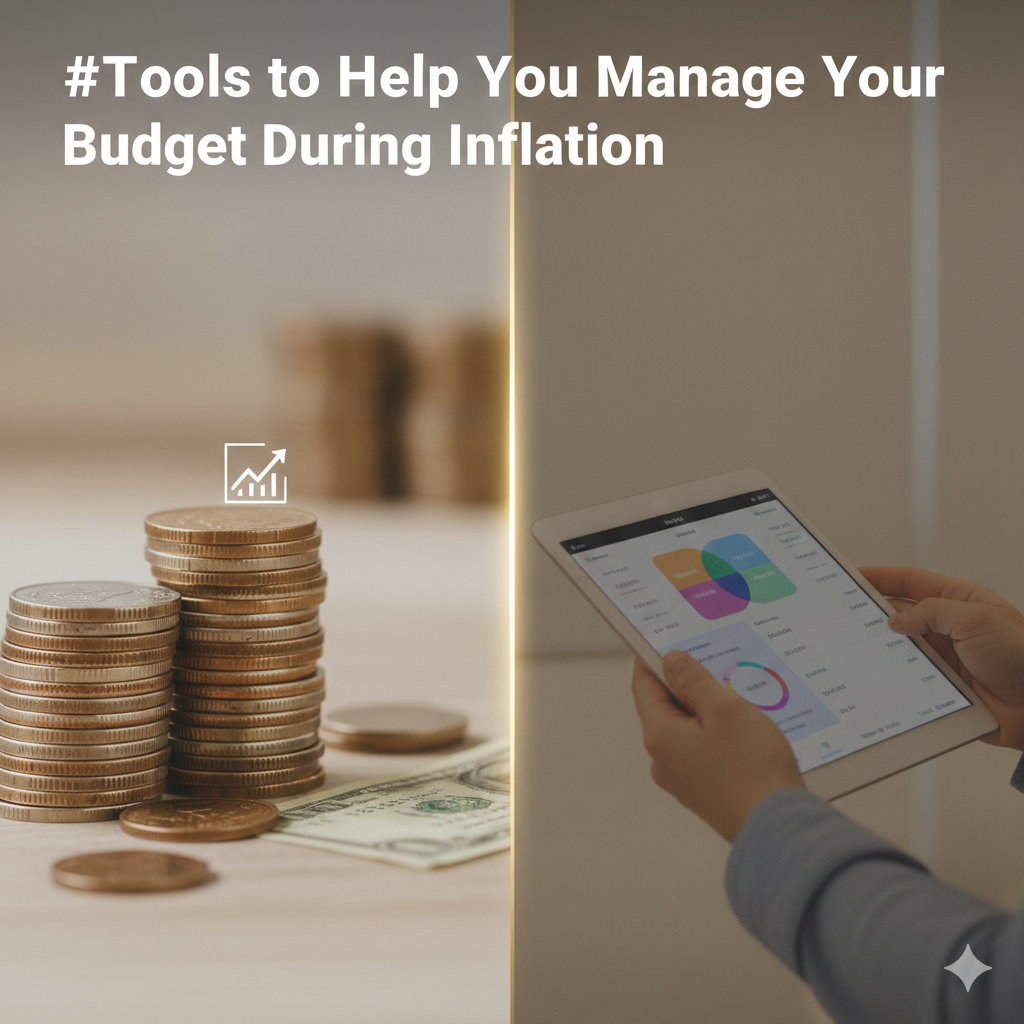
Tools to Help You Manage Your Budget During Inflation
1. Budget Tracking Apps
- Mint: Auto‑tracks your spending and alerts you to trends.
- You Need a Budget (YNAB): Focuses on giving every dollar a job.
- PocketGuard: Shows how much you can comfortably spend after bills.
2. Price Tracking and Cashback
- Ibotta: Cashback for groceries and everyday purchases.
- Rakuten: Cashback on online shopping.
- Honey: Finds coupon codes automatically.
3. Subscription and Expense Trackers
- Truebill: Helps identify and cancel unwanted subscriptions.
- Personal Capital: Tracks your budget and investments together.
Credit Cards and Inflation: What You Should Know
Credit cards can be both helpful and harmful during periods of inflation. On the positive side, rewards, cashback offers, and special promotions can stretch your money a bit farther. On the negative side, if you carry a balance, high interest rates can quickly erase any benefit, especially when your expenses are already rising.
Smart Credit Card Habits for Inflationary Times
- Pay in full each month to avoid interest.
- Use cards that offer rewards on essentials like groceries or gas.
- Avoid using credit to fund normal living expenses if you can’t repay promptly.
- Consider cards with introductory 0% APR offers if you need short‑term financing for major purchases.
Government and Economic Context of Inflation
Inflation isn’t just a household problem — it’s an economic reality that affects policy and markets. The Federal Reserve may adjust interest rates to cool inflation. Higher rates can reduce borrowing and slow economic activity. At the same time, those higher rates may improve returns on savings accounts and CDs, which can help savers.
You can explore inflation analysis directly from the Federal Reserve:
Frequently Asked Questions (FAQs)
What is a good inflation rate?
Economists often consider a moderate rate (around 2%) healthy for a growing economy. However, rates above that can begin to squeeze budgets and purchasing power unless wages rise accordingly.
How does inflation impact savings accounts?
Inflation reduces the value of cash over time. If your savings account interest rate is lower than inflation, your money loses purchasing power.
Why does inflation affect some costs more than others?
Different parts of the economy experience price changes at different times. For example, food and energy often rise faster due to supply chain or commodity market changes, while technology prices may stay stable or even fall.
Can I financially protect myself from inflation?
Yes — through strong budgeting, emergency savings, investing in assets that historically outpace inflation, and using financial tools like inflation‑protected securities.
Is inflation the same everywhere in the U.S.?
In considering different economic activities of the regions Inflation’s impact of the U.S. inflation rate can vary by region. Housing costs in major cities may rise faster than in rural areas, for example.
Conclusion
The impact of the U.S. inflation rate affects everyone, but how much it impacts you depends on how you plan and adjust your finances. Rising prices don’t have to derail your budget if you track expenses, prioritize essentials, adjust your spending, and use tools that help you stretch your dollars. With awareness and discipline, you can manage your budget effectively even when the cost of living rises.
If you want more practical money guides, checklists, and tools for building stronger finances, visit Windetop.com for budget tips worksheets, savings planners, and financial tips that help you stay ahead of rising prices