

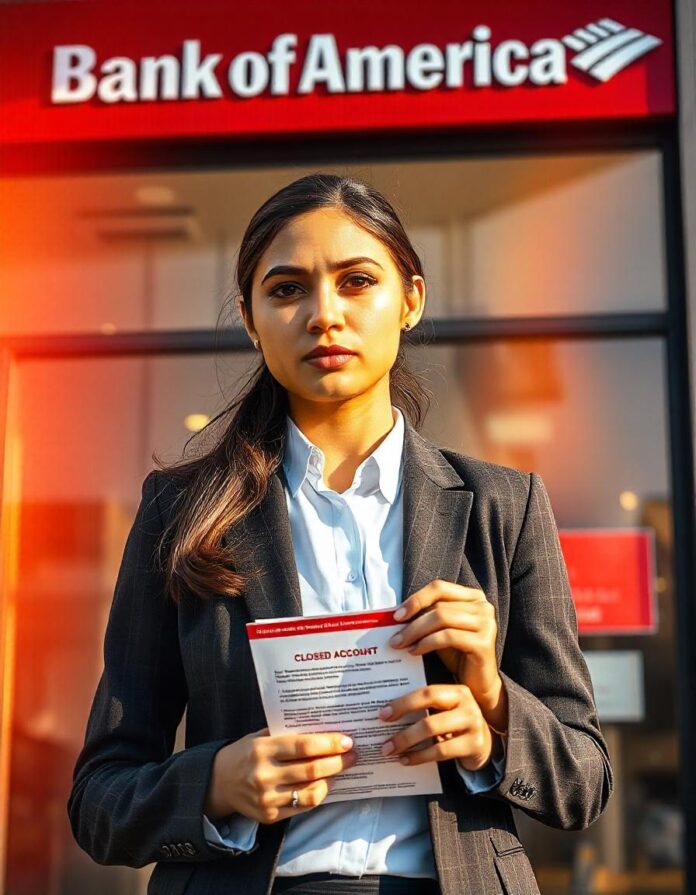


When you receive a notification from Bank of America that your account has been closed can be a stressful and overwhelming experience. You may be wondering why your account was closed and what steps you can take to resolve the issue. In this article, we will explore the common reasons why Bank of America may close an account and provide guidance on what to do next.
Why Banks Close Accounts (And Why It’s Often Not Personal)
Before diving into specific reasons, it’s important to understand that account closures are usually driven by risk management policies rather than personal judgment. Banks operate under strict regulations designed to prevent fraud, money laundering, and financial crime. When something triggers their internal risk systems, they may decide to close an account to protect themselves and comply with regulations. Sometimes closures are temporary pending verification, while other times they are permanent. Either way, knowing the possible triggers can help you identify what might have happened in your case.
Reasons Why Bank of America May Close an Account
There are several reasons why Bank of America may close an account. Some of the most common reasons include:
- Suspicious activity: If Bank of America detects suspicious activity on your account, such as unusual transactions or login attempts, they may close your account to protect your funds.
- Account inactivity: If your account has been inactive for an extended period, Bank of America may close it due to inactivity.
- Overdrafts: If you have excessive overdrafts on your account, Bank of America may close your account to prevent further overdrafts.
- Negative balances: If you have a negative balance on your account and fail to pay it back, Bank of America may close your account.
- Compliance issues: Bank of America may close an account if it is not in compliance with regulatory requirements or bank policies.
Fraud Prevention and Regulatory Requirements
Financial institutions must comply with anti-money-laundering laws and identity verification rules. Agencies such as the Federal Deposit Insurance Corporation and the Consumer Financial Protection Bureau oversee banking protections and regulations. Banks are required to monitor transactions and report suspicious behavior. If activity appears inconsistent with your profile, they may close the account while investigating.
Will Account Closure Affect Your Credit Score?
In most cases, a bank account closure does not directly impact your credit score because checking and savings accounts are not credit products. However, there are exceptions. If your account was closed with a negative balance that was sent to collections, it could appear on your credit report and affect your score. Banks may also report issues to consumer banking databases such as ChexSystems, which other banks use when evaluating new account applications. If you suspect errors, you can request your report from chexsystems
Can You Reopen a Closed Bank of America Account?
Sometimes reopening is possible, especially if the closure resulted from documentation issues or temporary suspicious activity. Contacting the bank promptly increases your chances. If reopening isn’t allowed, you can still open accounts with other institutions. Credit unions and online banks often have different approval criteria and may provide flexible options.
Alternative Banking Options If You’re Denied
If you’re unable to open a traditional bank account immediately, you still have options. Many financial institutions offer second-chance banking accounts designed for people rebuilding their banking history. Prepaid debit accounts can also serve as temporary solutions for managing money and receiving payments. Some fintech companies provide mobile banking services with fewer barriers to entry while you work toward qualifying for a standard account again
What to Do If Bank of America Closes Your Account
If Bank of America closes your account, there are several steps you can take:
- Contact Bank of America: Reach out to Bank of America customer service to understand the reason for the account closure and to ask about the possibility of reopening the account.
- Review your account activity: Review your account activity to ensure that there are no unauthorized transactions or errors.
- Consider alternative banking options: If you are unable to reopen your account with Bank of America, consider alternative banking options, such as a different bank or credit union.
- Monitor your credit report: If your account was closed due to negative marks on your credit report, monitor your credit report to ensure that the information is accurate and up-to-date.
How to Avoid Account Closure in the Future
To avoid account closure in the future, consider the following:
- Monitor your account activity regularly: Regularly review your account activity to detect any suspicious transactions or errors.
- Keep your account information up-to-date: Ensure that your account information, such as your address and phone number, is up-to-date and accurate.
- Avoid overdrafts: Avoid overdrafts by keeping a close eye on your account balance and setting up overdraft protection.
- Maintain a positive account balance: Maintain a positive account balance by making regular deposits and avoiding negative balances.
Understanding Your Consumer Rights
Consumers have rights when dealing with banks, including the right to access funds and dispute errors. If you believe your account was closed unfairly, you can file a complaint with the Consumer Financial Protection Bureau. The CFPB reviews complaints and forwards them to financial institutions for response. This process often helps resolve misunderstandings.
Emotional and Financial Impact of Losing a Bank Account
Losing access to your primary financial account can create stress and uncertainty. Automatic payments may fail, income deposits may be delayed, and daily expenses become harder to manage. It’s normal to feel frustrated or anxious. Taking proactive steps quickly can reduce disruption. Creating a backup financial plan, such as maintaining a secondary account, can provide peace of mind for the future.
Lessons Learned From Account Closures
Many people who experience account closures discover opportunities to improve financial organization. Monitoring transactions more closely, building emergency savings, and separating income streams can reduce future risk. Financial setbacks often become turning points that lead to stronger money management habits over time.
Frequently Asked Questions did Bank of America close my account?:
Bank of America may close an account for a variety of reasons, including suspicious activity, account inactivity, overdrafts, negative balances, and compliance issues.
- Can I reopen my account with Bank of America?: It may be possible to reopen your account with Bank of America, depending on the reason for the account closure. Contact Bank of America customer service to discuss your options.
- What are my alternative banking options?: If you are unable to reopen your account with Bank of America, consider alternative banking options, such as a different bank or credit union. When Bank Of America closed my account i need to start asking questions.
Additional Resources
Learn More About Bank of America and Account Closure
Bank of America: Please visit the Bank of America website to learn more about their banking services and account policies.
- Federal Deposit Insurance Corporation (FDIC): Visit their website to learn more about bank regulations and consumer protection.
- Consumer Financial Protection Bureau (CFPB): You can visit their website to learn more about consumer financial protection and banking regulations.
Conclusion
Having your account closed can feel overwhelming, but it doesn’t mean your financial future is damaged. Understanding the reasons behind closures, taking quick action to secure funds, and opening new banking relationships can restore stability faster than you might expect. Financial institutions operate within strict rules, and sometimes those rules affect customers unexpectedly. The key is staying informed, proactive, and organized so you can move forward with confidence. If you treat this experience as a learning opportunity, you can build stronger financial habits and prevent similar issues in the future.